



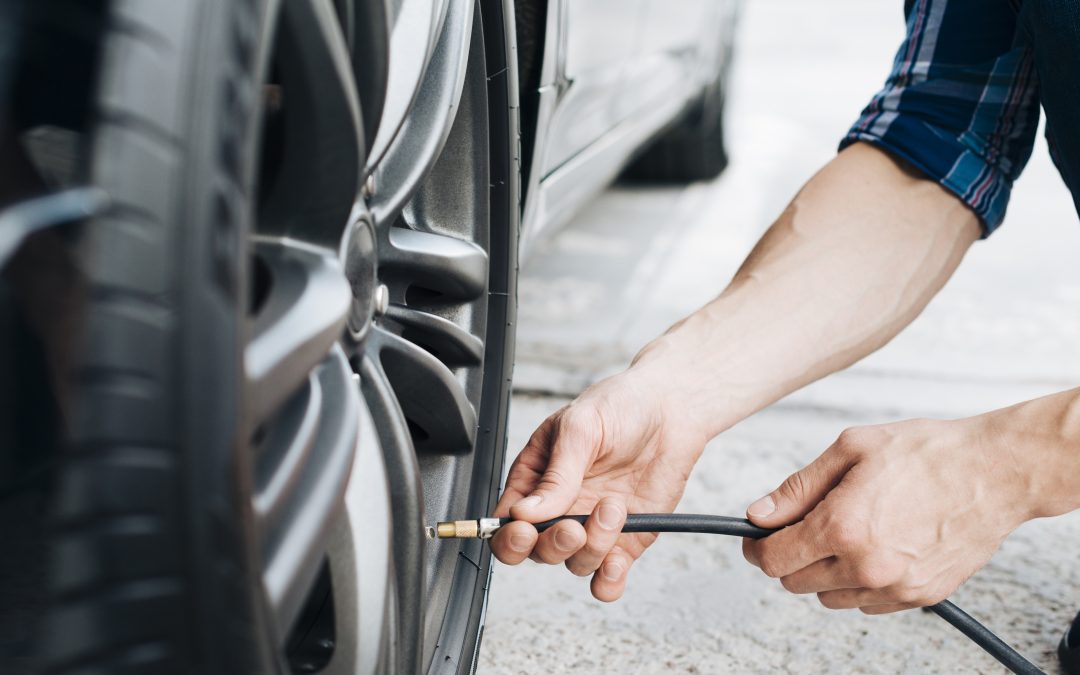
Outside temperature plays a bigger role than we think. It not only changes how we drive — it also directly affects tyre pressure and fuel consumption, especially in winter and summer.
Understanding this relationship helps improve safety and extend the life of the vehicle.
Why does pressure change with heat or cold?
The air inside the tyre expands with heat and contracts with cold.
That means:
-
pressure usually drops in winter
-
it can rise more than expected in summer
Just a small variation can make a noticeable difference.
What happens with low pressure?
With lower pressure than recommended:
-
rolling resistance increases
-
the engine works harder
-
fuel consumption rises
-
wear becomes uneven
-
the risk of blowout increases
The car also loses stability and braking distances get longer.
And with too much pressure?
That’s not ideal either:
-
faster wear in the centre of the tyre
-
less grip
-
harsher ride
-
reduced safety on wet roads and curves
The right value is always what the manufacturer recommends.
Simple habits that help all year long
Some easy routines help keep tyre pressure and fuel consumption under control:
-
check pressure cold, at least once a month
-
review before long trips
-
always follow manufacturer guidelines
-
don’t forget the spare tyre, if fitted
Well-maintained tyres mean more safety and a more balanced fuel use.
From Alas Estaciones, we’re here to support every stop — follow the link to learn more and plan your next route.