



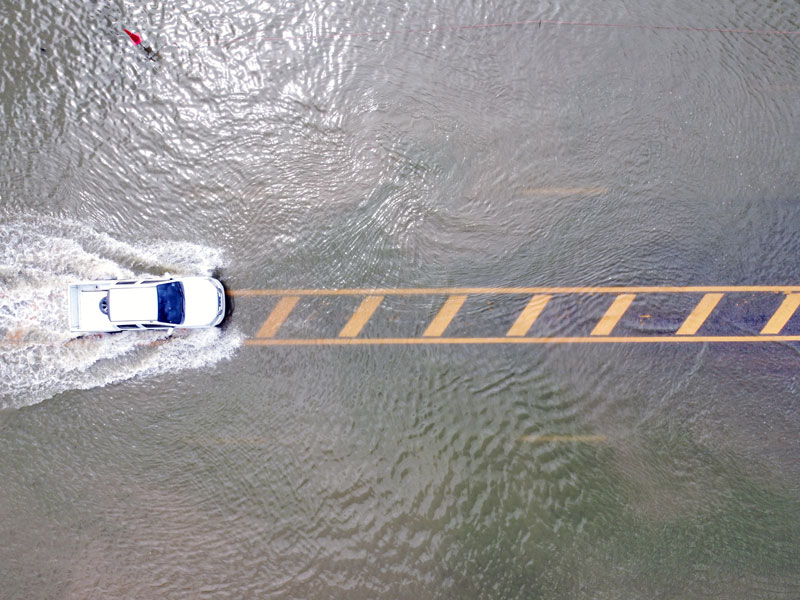
Aquaplaning is one of the most dangerous situations when driving in heavy rain. It happens suddenly and can cause you to lose control of your vehicle for a few seconds that feel much longer.
Understanding why aquaplaning occurs and knowing how to react correctly can make the difference between a close call and an accident. At Alas Estaciones, we often emphasize that preventive driving and properly maintained tires are essential for reducing risks on the road.
What is aquaplaning and why does it happen?
Aquaplaning occurs when tires are unable to disperse the water accumulated on the road surface. When this happens, the vehicle loses contact with the asphalt and effectively “floats” on a layer of water.
The most common causes include:
• Excessive speed in rainy conditions
• Worn tires or incorrect tire pressure
• Water accumulation on the road
• Poor tire tread condition
The higher the speed and the worse the tire condition, the greater the risk.
How can you tell if you are experiencing aquaplaning?
The warning signs are usually clear:
• The steering wheel feels lighter
• The vehicle does not respond to steering input
• The engine may suddenly rev
At that moment, the most important thing is to avoid sudden reactions.
How to react without making the situation worse
If you experience aquaplaning:
• Keep the steering wheel straight
• Gently lift your foot off the accelerator
• Do not brake suddenly
• Avoid abrupt steering movements
The vehicle will regain traction once the tires reconnect with the road surface.
How to prevent aquaplaning
Prevention is key to avoiding aquaplaning:
• Check tire tread regularly
• Maintain correct tire pressure
• Reduce speed in heavy rain
• Increase your following distance
Driving in the rain requires greater attention and anticipation. Proper vehicle maintenance and responsible driving significantly reduce the risk.
Aquaplaning does not come with a warning, but being prepared allows you to stay calm and maintain control in heavy rain situations.